Tell us about the job
Takes about a minute. No obligation.
A heat pump repair quote here starts with the compressor and the reversing valve, because those are the components that carry the load through the heating half of the year. Homes in Greenville County, SC run heat about seven months a year, from October through April. Capacity drops as outdoor temperatures fall, so the compressor cycles harder in January than it does in October, and that cycling is where wear shows up first. A contractor diagnosing a fault will check refrigerant charge and reversing valve operation before anything else, since both degrade under sustained heating demand in a way that a short season would never expose.
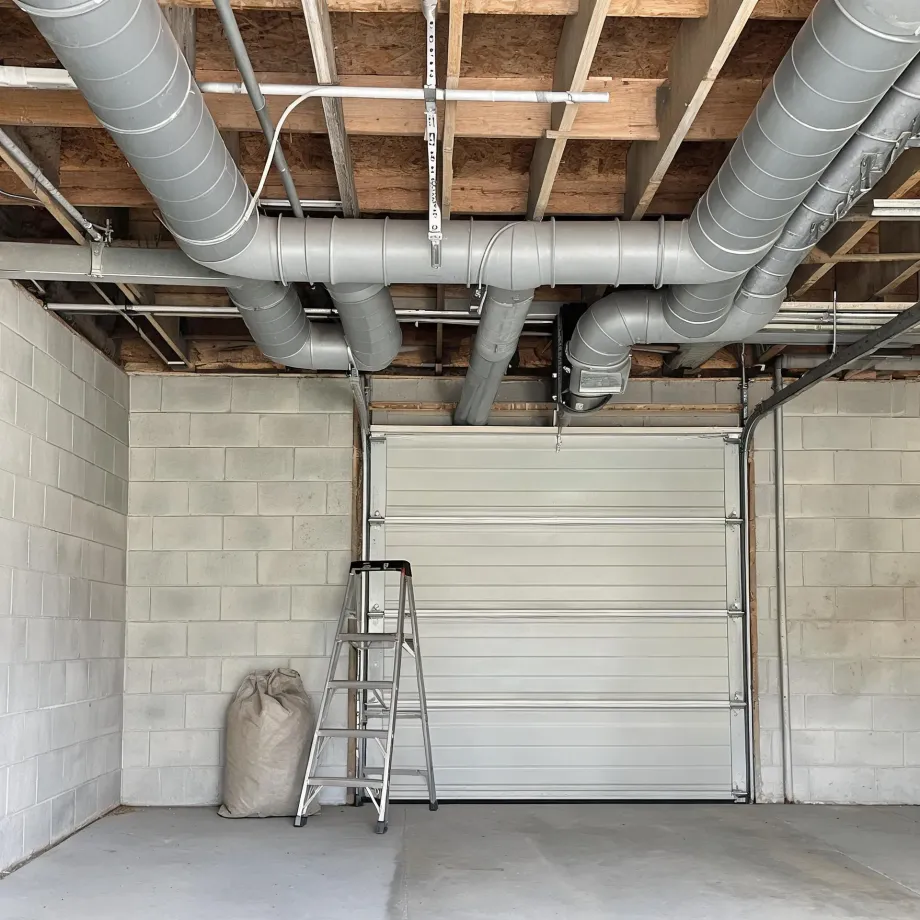
Heat pumps in this part of South Carolina work hard year-round, and what a contractor finds once a unit is opened often has less to do with the presenting symptom than with the condition of the refrigerant lines, contactors, and capacitors that have been carrying that load season after season. Half the homes in Greenville County, South Carolina were built in 1992 or earlier (2020-2024 ACS 5-year). Stock built across that span was put up when heat pump technology looked different, and the components inside systems running in those houses today have histories a diagnostic from the outside cannot read. A contractor opening the cabinet gets a concrete answer: whether the part that failed is still in production, whether the refrigerant circuit has been holding, and whether what surrounds the failed component is worth repairing around.
The Parts of a Heat Pump a Contractor Checks First
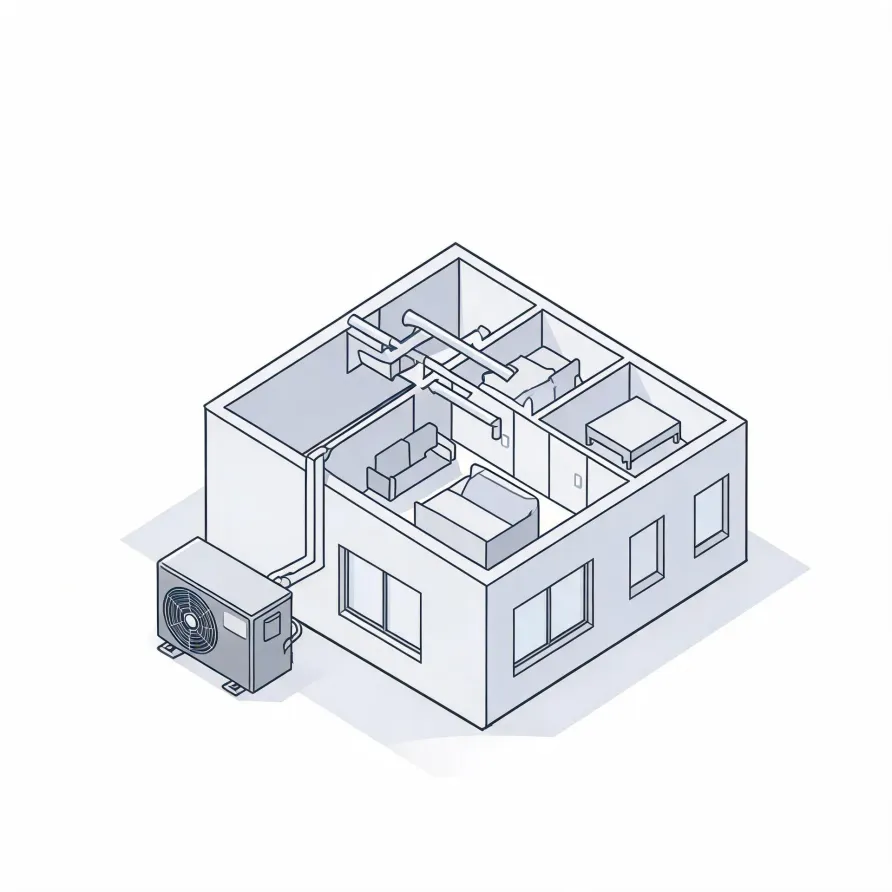
The outdoor unit sits outside the house and holds the compressor and condenser coil. The compressor is the piece contractors look at early in a repair call, because a refrigerant pressure problem or a mechanical failure there will stop the whole system from moving heat in either direction. The condenser coil, wrapped around the outside of that cabinet, is where a bent fin or blocked surface shows up.
Inside the house, the air handler contains the blower motor and the evaporator coil, and it is the part the homeowner is most likely to hear when something goes wrong. A bad blower motor cuts airflow; a failing coil can ice over. The reversing valve, which sits in the outdoor unit, is the piece that lets a heat pump heat and cool, and a fault there often looks like the system stuck in one mode.
The drawing shows a typical layout, and a licensed contractor determines which components apply to your specific home and system.
Get matched in Greenville CountyGreenville County, by the numbers
215 severe weather events were recorded in Greenville County, South Carolina between 2015 and 2024.
NOAA National Centers for Environmental Information, Storm Events Database, bulk CSV export, events 2015-01-01 through 2024-12-31.Half the homes in Greenville County, South Carolina were built in 1992 or earlier (2020-2024 ACS 5-year).
U.S. Census Bureau, 2020-2024 American Community Survey 5-Year EstimatesGreenville County, South Carolina holds 238,260 housing units (2020-2024 ACS 5-year).
U.S. Census Bureau, 2020-2024 American Community Survey 5-Year EstimatesOwners occupy 68.9% of the occupied homes in Greenville County, South Carolina (2020-2024 ACS 5-year).
U.S. Census Bureau, 2020-2024 American Community Survey 5-Year EstimatesRules & Standards Governing Heat Pump Repair in Greenville County, South Carolina1 sourced rules and standards
Licensing Rules in Greenville County, South Carolina
South Carolina requires a mechanical contractor license for contracting work whose total cost of construction is greater than ten thousand dollars.
Severe Weather Events in Greenville County
Heat pumps run harder and wear faster when outdoor conditions swing far from normal, and Greenville County's weather record shapes how much strain local equipment absorbs over time. That strain shows up as repair calls, and understanding the local pattern is part of knowing what heat pump service here actually involves.
215 severe weather events, 2015–2024. Source: NOAA National Centers for Environmental Information, Storm Events Database.