

Running clean
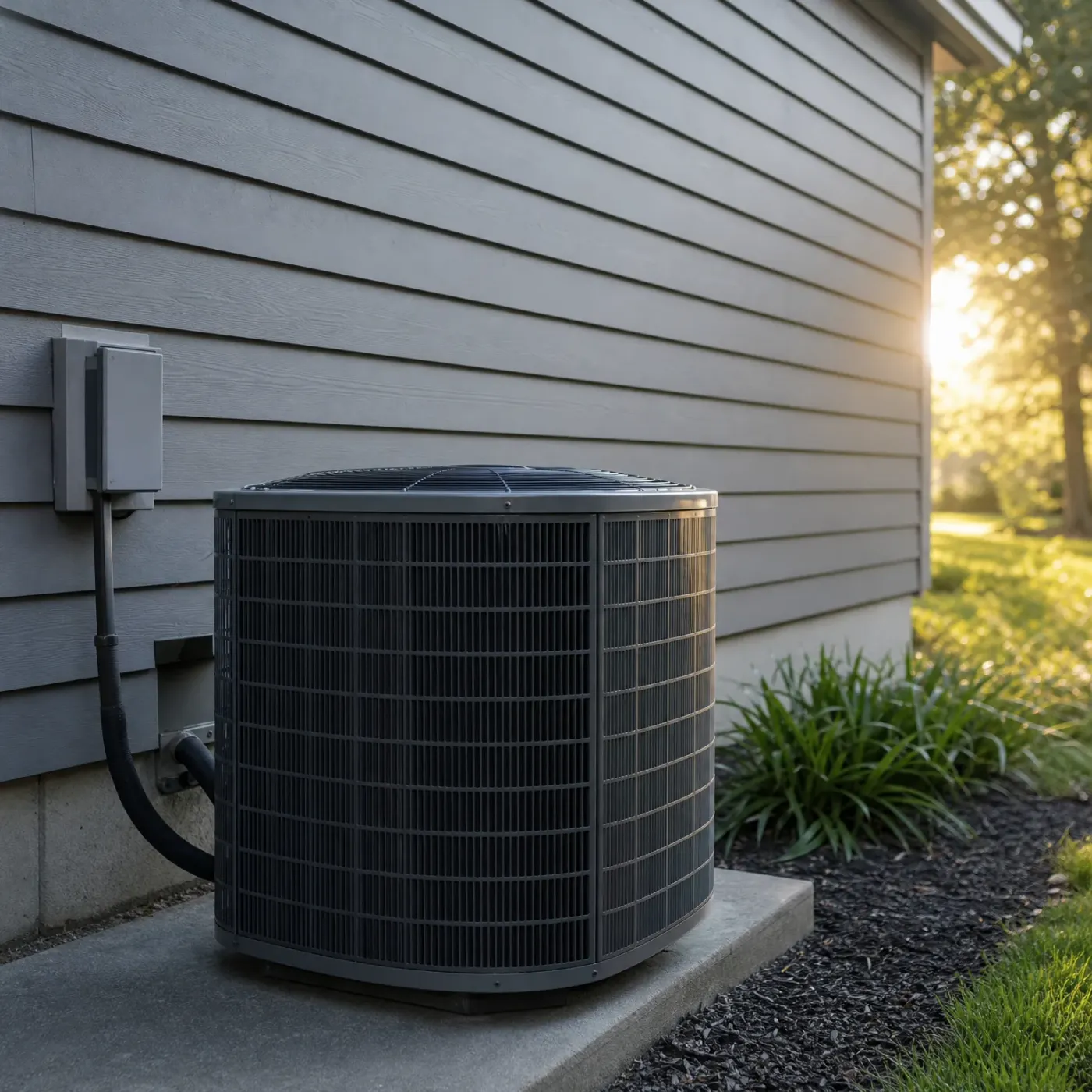
A heat pump that's kept clear on all sides pulls in the air it needs to work right. On a cold morning this is the unit that keeps up and still has something left when the temperature drops further.
Heat pumps lose some of their punch once outside temperatures drop into the 30s and below, and a lot of South Carolina homes rely on one for winter heat. When a cold snap rolls through, it's natural to wonder at what point the system stops keeping up and whether that's normal or a sign something's wrong.
A heat pump pulls heat from outside air, and the colder that air gets, the less heat there is to pull. Below 30 to 35 degrees, most units start losing capacity, and many homes lean on backup electric heat strips to make up the difference. South Carolina winters rarely stay that cold for long, but nights in the 20s happen most winters, especially upstate. If your house feels like it can't keep up on the coldest nights, that's often the heat pump reaching its limit rather than a breakdown. A system that's sized right and set up with working backup heat should still get the house warm, just by using more electricity to do it.

A heat pump that's kept clear on all sides pulls in the air it needs to work right. On a cold morning this is the unit that keeps up and still has something left when the temperature drops further.

Dirt, leaves and grass clippings packed into the fins block airflow before the cold even hits. A unit choked up like this struggles on a mild day, and on a cold one in South Carolina it may not keep the house warm at all.





This is a heat pump with clear space around it, a clean disconnect, and nothing blocking the coil. On a morning in the 30s it pulls in the air it needs and keeps the house warm without strain. It still has reserve left if the temperature keeps falling overnight.

Grime on the coil and a unit that looks its age are already working against it before a cold snap arrives. Once temperatures drop into the 30s, this is the system that falls behind and leaves a house short on heat right when it's needed most.
On a hard freeze you might notice the air coming out of the vents feels cooler than usual, and the system runs longer to hold the thermostat setting. You may hear it switch into defrost, with a burst of air that feels cold for a few minutes before it warms back up. If the outdoor unit is caked in ice or buried under leaves, it works harder to pull in air and falls further behind. Left alone through a cold snap, a struggling heat pump can mean rooms that never quite reach the temperature you set, and in a house that depends on electric heat, that's the only thing standing between your family and the cold outside.


Most houses here heat with electric heat pumps, so when a cold snap drags on for a few days and the system struggles to keep up, it's not a small thing. You're left wondering if the unit is actually failing or just working the way a heat pump does in the 30s, and whether backup heat kicking in means something's wrong or means it's doing its job. Sorting that out usually means finding a contractor who can look at your specific unit, your thermostat settings, and how your house holds heat, rather than guessing from general advice. That's normally a string of calls: searching for someone local, explaining the same symptoms more than once, waiting on quotes, trying to tell which contractor actually knows heat pumps versus who just answers the phone. Handing that off means one contractor who installs and works on heat pumps in South Carolina gets your situation directly, with the cold snap you're dealing with right now.
Most heat pumps in South Carolina have electric resistance strips built into the air handler for exactly this kind of weather. When the outdoor coil can't pull enough heat from the air, the strips kick in to cover the gap, and the thermostat may show a stage two or an "emergency heat" light while it happens. That's the system doing what it was built to do. The strips draw a lot more power than the compressor alone, which is why a stretch of hard cold shows up on the electric bill afterward. It's not a sign of damage, just a different way of making heat.
Below freezing, frost builds up on the outdoor unit's coil, and the system has to stop and melt it off every so often to keep working. During defrost the outdoor fan shuts off, the system briefly runs in reverse, and steam or vapor can rise off the unit for a few minutes. Inside, you might feel cool air or hear a shift in sound. This is normal operation, not a fault, and it usually passes in under fifteen minutes. If the unit sits there frosted over well past that, or ice is building up on the coil instead of melting off, that's worth having a contractor look at.


A heat pump sized right for your house A system matched to your home's size and your winters here holds its set temperature through a cold snap and leans on the backup strips only when it has to, not every night in January.
A heat pump too small for what winter asks of it A system that's undersized runs its backup strips for hours at a time once temperatures drop into the 30s, and your electric bill carries the difference all winter.
Since most homes here heat with electricity, those backup strips cost more to run than the heat pump itself. At 15.12 cents per kilowatt-hour, a few cold nights leaning on strip heat will show up on your bill before the month is out.
EIA-861 2025 statewide residential average
A heat pump in South Carolina doesn't fail just because it hit the 30s. It loses some efficiency, leans on the backup strips more, and runs longer to hold the thermostat setting, but a system that's sized right and kept clear on all sides should still get your house through a cold snap. If yours is struggling in weather that didn't used to bother it, or if you're not sure it was ever sized for your home to begin with, that's worth having someone look at before next winter, not during the next freeze. Instead of searching through contractors on your own, calling a few, explaining the same problem each time, and sorting through quotes to figure out who actually knows heat pumps in this climate, you can be matched with a contractor who works on these systems in South Carolina homes and have them reach out to you directly. You'll still have a cold morning here and there. You shouldn't have one where the heat can't keep up.
Skip collecting and comparing quotes for the new heat pump.
You're not committing to anything by asking.