




Why your heat pump keeps short cycling in South Carolina

Step 1 of 3: Equipment

A heat pump that keeps shutting off and restarting is usually stopping itself on purpose. Short cycling means it reaches a safety limit before it should and the system kills the compressor to protect it. The most common cause is airflow: a clogged filter, blocked return, or a coil caked with dirt makes the system overheat or freeze inside, so it trips off after a few minutes instead of running a full cycle. A low refrigerant charge does the same thing, and so does a thermostat sensor that's reading the room wrong. In South Carolina, where summers run long and the system works hard for months, a unit that's struggling with airflow or charge will short cycle more and wear out faster than it would somewhere milder. Short cycling isn't something to live with. Every restart strains the compressor, and a compressor is the most expensive part of the system to replace. The fix depends on which of these it is, and that takes someone who can actually check the charge and the airflow, not just guess.

A man with grey hair and stubble in a dark sweater sits on a grey sofa indoors, looking off to the side, with a potted plant and a sunlit window behind him.
A man with gray hair, a beard and glasses, wearing a dark green sweater, sits on a gray sofa in a sunlit living room with a potted plant, table lamp and wooden sideboard behind him.
A middle-aged man with graying hair and a short beard sits on a blue sofa in a living room, looking toward a window, with a bookshelf, lamp and framed picture in the background.
A man with graying curly hair and a dark green sweater sits on a gray sofa in a sunlit living room, looking off to the side, with a framed picture, shelving, an armchair and a window with sheer curtains behind him.

Short Cycling vs. Normal Cycling

Short cycling

  • The system turns on, runs for a few minutes, and shuts off again before the house actually cools down or warms up.
  • A dirty filter or a blocked return can starve the unit of airflow, so it hits a limit and shuts down to protect the compressor.
  • A refrigerant leak drops the pressure low enough that the system cuts out on its own before it finishes a normal run.
  • A failing thermostat or a bad sensor can tell the system the house reached temperature when it hasn't, so it stops early.
  • Outside, a coil packed with dirt or pollen can't release heat properly, and the unit shuts down rather than keep pushing against it.
  • Rooms stay uneven, the compressor wears faster from restarting, and the electric bill climbs even though the air feels like it's running constantly.

Normal cycling

  • The system runs long enough to bring the house to the set temperature, then shuts off and stays off until it's needed again.
  • Run times stretch longer on the hottest or coldest days and shorten up when the weather's easier, which is expected.
  • Airflow through the filter and ducts stays steady, so the coils inside and outside can do their job without strain.
  • Refrigerant stays at the right pressure through the whole run, letting the compressor complete its cycle instead of tripping a safety limit.
  • Rooms heat or cool evenly because the system had the time it needed to move air through the whole house.
  • The compressor lasts longer when it isn't restarting constantly, since every start draws more power and more wear than the run itself.
A gray outdoor condenser unit sits on a concrete pad against a house wall with horizontal siding above a stone veneer base, with an electrical disconnect box and conduit on the wall and a leafy shrub in mulch to the left.

Running the way it should

This unit cycles on, runs a full cycle, and shuts off only when the house hits temperature. The coil fins stay clean enough for air to pass through them, and the area around the pad is clear. Nothing is stopping it from running the length of time it needs to.


An outdoor air conditioner condenser unit on a concrete pad beside a house with beige vinyl siding, with a gray electrical disconnect box and insulated refrigerant lines on the wall and river rock to the right.

Clogged and cycling short

These fins are packed with dirt, grass clippings, and debris until air barely moves through the coil. The unit can't shed heat properly, so it trips on protection and shuts down before the cycle finishes. It restarts, hits the same limit, and shuts off again.

Is your heat pump doing this right now?

You hear the unit kick on, then shut off a few minutes later, then kick on again. The house never quite gets to the temperature on the thermostat. In winter you might notice the air coming out doesn't feel as warm as it should, or the outdoor unit is caked in ice that isn't melting off during the defrost cycle. In summer the indoor coil can ice up instead, and you'll see water pooling near the air handler. Your power bill climbs because the compressor is working in short bursts instead of running a normal cycle. Left alone, a compressor that keeps starting and stopping this way wears out faster than one that runs the way it's built to.

  1. Restricted airflow raises pressure in the coil past its normal range.

  2. A sensor or switch reads that pressure or temperature as a fault.

  3. The control board cuts power to the compressor to protect it.

  4. The system waits out a short delay before it tries again.

A gray outdoor condenser unit sits on a concrete pad beside a house with horizontal lap siding, with a wall-mounted disconnect box and refrigerant lines, mulched beds and a shrub nearby, and a concrete walkway in the foreground.
The unit sits clear of the mulch bed, with the conduit and disconnect box free of growth, and nothing crowding the sides or top that would block air moving through the coil.
An outdoor air conditioner condenser unit on a concrete pad beside a light gray vinyl-sided house, with an electrical disconnect box and conduit on the wall and bare soil in the foreground.
Refrigerant lines run to the disconnect without anything in the way, but a coil or a switch hidden inside can still force the short cycling you're hearing.

Every heat pump has a low pressure switch and a high pressure switch on the refrigerant lines, and either one can end a cycle early. The low side switch responds to weak airflow, so a clogged filter or a blocked return is often enough to trip it. The high side switch responds to a dirty coil or a refrigerant charge that's off, and it shuts the compressor down just as fast. Either way the control board writes down which switch opened, and that record is usually still sitting in its memory when someone checks the unit later. That's often the fastest way to find out what actually happened, rather than guessing from how the unit sounds. After a trip, the board won't let the compressor restart right away. It holds off for a few minutes first, which is why the unit seems to come back on its own instead of staying off. A contactor that's worn or sticking can cause the same pattern even when the filter is clean and the charge is correct, since it can open and close the circuit on its own without anything telling it to.

What's actually tripping the switch

  • The low pressure switch and high pressure switch sit on the refrigerant lines and open the moment pressure crosses a set point in either direction.
  • A dirty filter or blocked return pulls the low side pressure down until that switch opens and the board reads it as a fault.
  • A coil packed with dirt or a low refrigerant charge does the same thing from the high side, so the compressor trips off either way.
  • The control board logs which switch opened, and that code is often still in its memory when a tech checks it later.
  • After a trip, most boards hold the compressor off for a few minutes before they let it try again, which is why the unit seems to restart on its own.
  • A stuck or failing contactor can cycle the compressor on its own schedule even when airflow and charge are both fine.
An outdoor condenser unit sits on a concrete pad beside a house with horizontal vinyl siding, with a gray electrical disconnect box and conduit on the wall and a shrub at left.
Before you get your heat pump repair
A gray outdoor condenser unit on a concrete pad beside a light-colored horizontal-siding house, with a disconnect box and refrigerant line on the wall, ornamental grasses and a shrub in mulch nearby, and a concrete patio in the foreground.
After you get your heat pump repair

One request and it's handed off

Your request goes to one pro, not a list of companies.

Asking costs nothing, and the choice to hire stays yours.

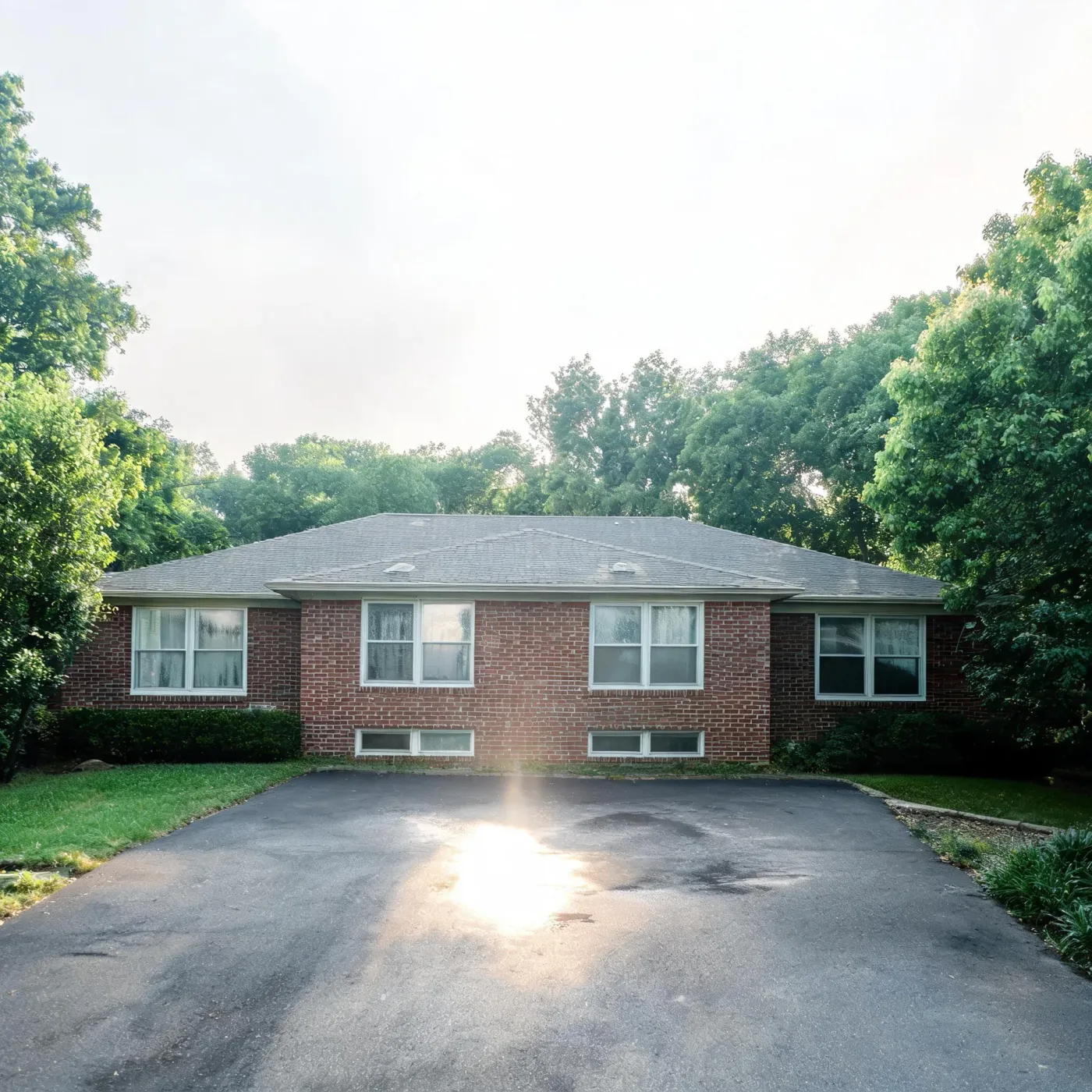
A single-story brick ranch house with a gray shingled hip roof, white-framed windows and basement windows, fronted by a wide asphalt driveway with sun glare, surrounded by green lawn and leafy trees under a bright hazy sky.

Summer air in South Carolina holds a lot of moisture. The dew point averages 69°F across June, July and August, which is the number that tells you how heavy that air actually feels. Your heat pump's coil has to pull that moisture out before it can cool the house, so on a muggy day it's doing two jobs instead of one. If the coil or filter is already restricting airflow, that extra moisture load pushes the system into a safety limit faster, and you'll notice it short cycling more in August than it did in April. The house may also feel damp even while the unit keeps turning on and off.

NASA POWER T2MDEW county cells weighted by homes

Why does my heat pump short cycle more in summer than winter?

You've noticed the unit seems to run in short bursts more often once the weather turns hot, even though it does the same thing in January now and then. You want to know if that's just how the system behaves in South Carolina summers, or if it means something is wrong that's getting worse as the heat sets in.

Summer humidity makes the coil work harder, so any existing airflow problem shows up faster

In summer the coil is pulling moisture out of the air as well as heat, and South Carolina air carries a lot of both. That extra load means the coil runs colder and closer to its pressure limit than it does in winter. If airflow across it is already reduced by a dirty filter or a blocked return, the coil reaches that limit sooner and the high or low pressure switch trips, shutting the compressor off. The same restriction in January might not push the system far enough to trip anything. Heat pumps also defrost in winter, which looks like cycling but isn't the same fault. If yours is shutting off well before the house reaches temperature, that's the pattern worth having checked.

A gray outdoor condenser unit on a concrete pad beside a light green lap-sided house, with a wall-mounted electrical disconnect box, mulch bed with shrubs, river rock, and a paved walkway in the foreground.

Clean coil, clear pad

The coil fins are open and the area around the unit is clear, so air pulls through the way it's built to. The disconnect box stays free of growth and nothing crowds the sides. Pressure inside the system stays in its normal range, and the compressor runs a full cycle instead of tripping a safety switch.

An outdoor air conditioner condenser unit on a concrete pad beside a house with horizontal lap siding, with refrigerant lines entering the wall and a shrub on bare soil to the left.

Clogged coil, blocked lines

Dirt and debris have packed into the condenser coil, cutting off the airflow the system needs to move heat. The refrigerant lines running into the house still carry pressure, but the coil can't do its job. Pressure climbs past the limit, a switch trips, and the compressor shuts down before the cycle finishes.

Power costs 15.12 cents per kilowatt-hour statewide

Short cycling makes your heat pump start and stop over and over, and every one of those restarts pulls a jolt of power to get the compressor moving again. At 15.12 cents a kilowatt-hour, a unit that can't finish a normal cycle runs up your bill without ever getting the house to temperature.

EIA-861 2025 statewide residential average

A woman with shoulder-length brown hair wearing a beige knit cardigan sits in a gray upholstered armchair near a window, looking off to the side with a slight smile, with bookshelves blurred in the background.
A woman with her hair in a bun holds a sleeping young child against her chest, both wrapped in a textured beige knit blanket on a sofa in a dimly lit room with a lamp, framed picture, and bookshelf behind them.

What Short Cycling Comes Down To

  • Short cycling almost always traces back to airflow, pressure, or a part that's already worn past its limit.
  • A system that keeps killing its own compressor is protecting itself, not malfunctioning at random.
  • Fixing the airflow problem or replacing the failed switch stops the restarts and lets a full cycle finish.
  • A South Carolina contractor who works on heat pumps all summer has seen this pattern often and knows where to check first.
  • One licensed contractor takes the call, not several, so you're not fielding competing quotes while you're trying to get the unit running again.
  • Left alone, the short cycling continues and the compressor keeps absorbing the wear of every restart.

A heat pump that shuts off early and restarts over and over is reacting to something real. Airflow is choked, pressure has crossed a limit, or a part that controls the compressor has worn out and started tripping when it shouldn't. The system isn't broken in some vague way. It's protecting itself the only way it knows how, by stopping before the strain gets worse. That's the whole pattern behind every example on this page, from the dirty filter to the failed switch to the coil that can't shed heat fast enough in July's air.

Once the actual cause is found, the fix is usually straightforward. Clear the airflow problem or swap the worn part, and the unit runs a full cycle again instead of restarting every few minutes. What it takes is someone who knows where to look first, because the symptom looks the same whether the problem is a filter, a pressure switch, or a start component, and guessing wrong wastes a trip.

That's where having someone local who handles this equipment all summer matters. A contractor who's already seen a dozen heat pumps do exactly this in the same kind of heat knows which cause to check before the others. The request goes to one licensed contractor, not a handful, so you're not stuck comparing quotes or fielding calls while the unit keeps cycling in the background.

Left as it is, nothing improves on its own. Every restart puts the same strain on the compressor that caused the problem in the first place, and the cycling continues until the actual cause gets fixed.

A house roofline with a stone chimney rises above trees, with a tall pine, Spanish-moss-draped oak branches, and misty hills in the background.

Done looking for a heat pump pro

Hand it over

No fee to send it, and nothing to sign.

A heat pump that keeps stopping and starting wears out its compressor faster, and that's the one part that's expensive to replace. Sending the request now gets a local contractor who works on these units every summer looking at the real cause, so you stop paying for a system that's protecting itself instead of cooling your house.