Normal operation
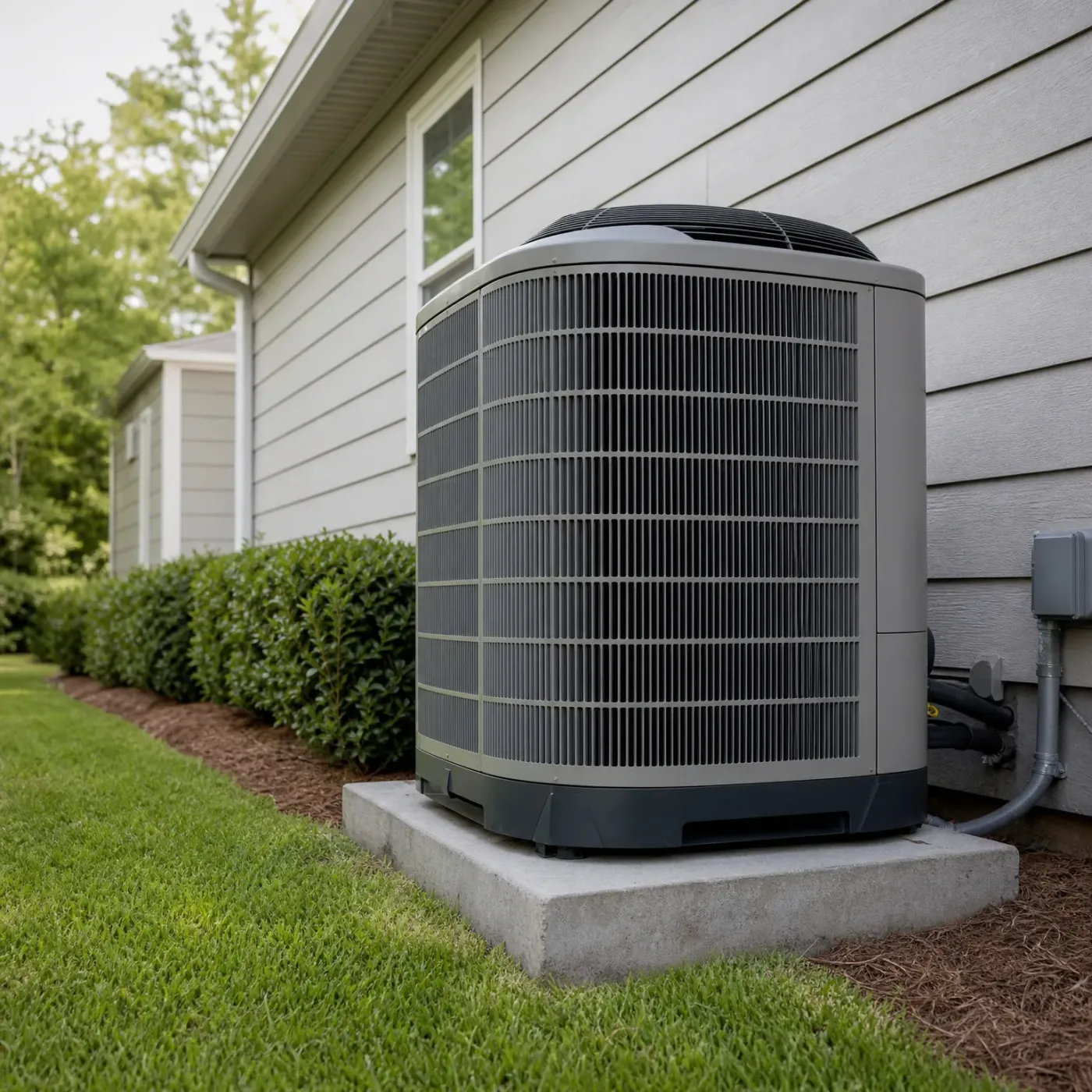
A clean, unobstructed unit like this one can still click and hum as it cycles through defrost on a cold morning. The sound comes from the reversing valve and the fan starting back up, not from damage.
 Start one form
One form replaces the calls you'd make to find a heat pump pro.
A heat pump that bangs, clicks, or buzzes on a cold morning is telling you something. In South Carolina winters, that system is running in defrost mode a lot more than most homeowners realize, and the noises that come with it can mean something minor or something that needs a repair soon.
Some of what you hear is normal. Some of it isn't. The reversing valve shifting, ice building up on the outdoor coil, the fan cycling off and back on during defrost, all of that comes with how a heat pump works in winter here. But a grinding compressor, a loud rattle that wasn't there last year, or a noise that gets worse each time the unit runs heat is a different story.
If you've gotten this far, you probably already know you need someone to look at it. The part that takes the real time isn't the repair itself. It's finding a contractor who works on heat pumps specifically, calling two or three companies to see who can come out this week, describing the noise and when it happens to each one, then waiting on quotes to compare before you even know who's showing up at your door.
That's the part this page skips. Instead of sorting through unfamiliar company names, you get connected to one licensed contractor near you, someone who services heat pumps through South Carolina winters every year and has heard this exact noise before on other systems just like yours. You explain the problem once. No stack of quotes to sort through, no second or third call to repeat yourself to a different company.
From here, the rest of this page walks through what different heat pump noises usually mean and what's worth checking before a repair visit. When you're ready for someone to take a look, the button below is where that starts.
Your heat pump has been clicking, buzzing, or banging most mornings this winter, and you want to know if that's normal or if something's wrong. South Carolina winters don't get brutally cold, but they sit right in the range where heat pumps cycle through defrost often, and that cycle makes sounds a furnace never would. You're trying to figure out if what you're hearing is routine or a sign the system needs a repair tech.
A reversing valve clicking, a whoosh of air, or a low hum are usually the system switching into defrost and back to heating. Outdoor coils in South Carolina pick up frost on cold, damp mornings, and the unit has to melt it off to keep working. That part is normal. A metallic grinding sound, a loud bang, or a buzz that doesn't stop points to something else, like a failing motor bearing or a loose part inside the outdoor unit. If the noise repeats every defrost cycle and sounds the same each time, it's the system working as designed. If it's new, getting louder, or happening outside of defrost, that's worth having looked at.




Listen for when it happens and what it sounds like. A whoosh or hiss right as the system switches over is the reversing valve changing direction, and that's normal. A clanking or banging that starts low and gets worse points to a loose or failing part inside the outdoor unit. A buzz that comes and goes with the compressor cycling on and off is worth a look. So is a rattle that only shows up when it's windy, since that can mean a panel or fan blade has worked loose. Left alone, a loose part can wear against others nearby, and a struggling compressor can fail outright, leaving you without heat on a cold night.

A clean, unobstructed unit like this one can still click and hum as it cycles through defrost on a cold morning. The sound comes from the reversing valve and the fan starting back up, not from damage.

Fins caked with dust and debris force the unit to work harder and can bring on noises that aren't part of normal defrost. A technician who services heat pumps all winter in South Carolina can tell you which one you're hearing.


Your request goes to one pro, not a list of companies.
Describe what your heat pump is doing once, in one form.
Sending the form costs nothing.

A unit like this with clear coils and solid mulch and shrub clearance around it will still click and hum through a cold morning's defrost cycle. That's the reversing valve switching over and the fan kicking back on. Nothing about this setup is working harder than it should.

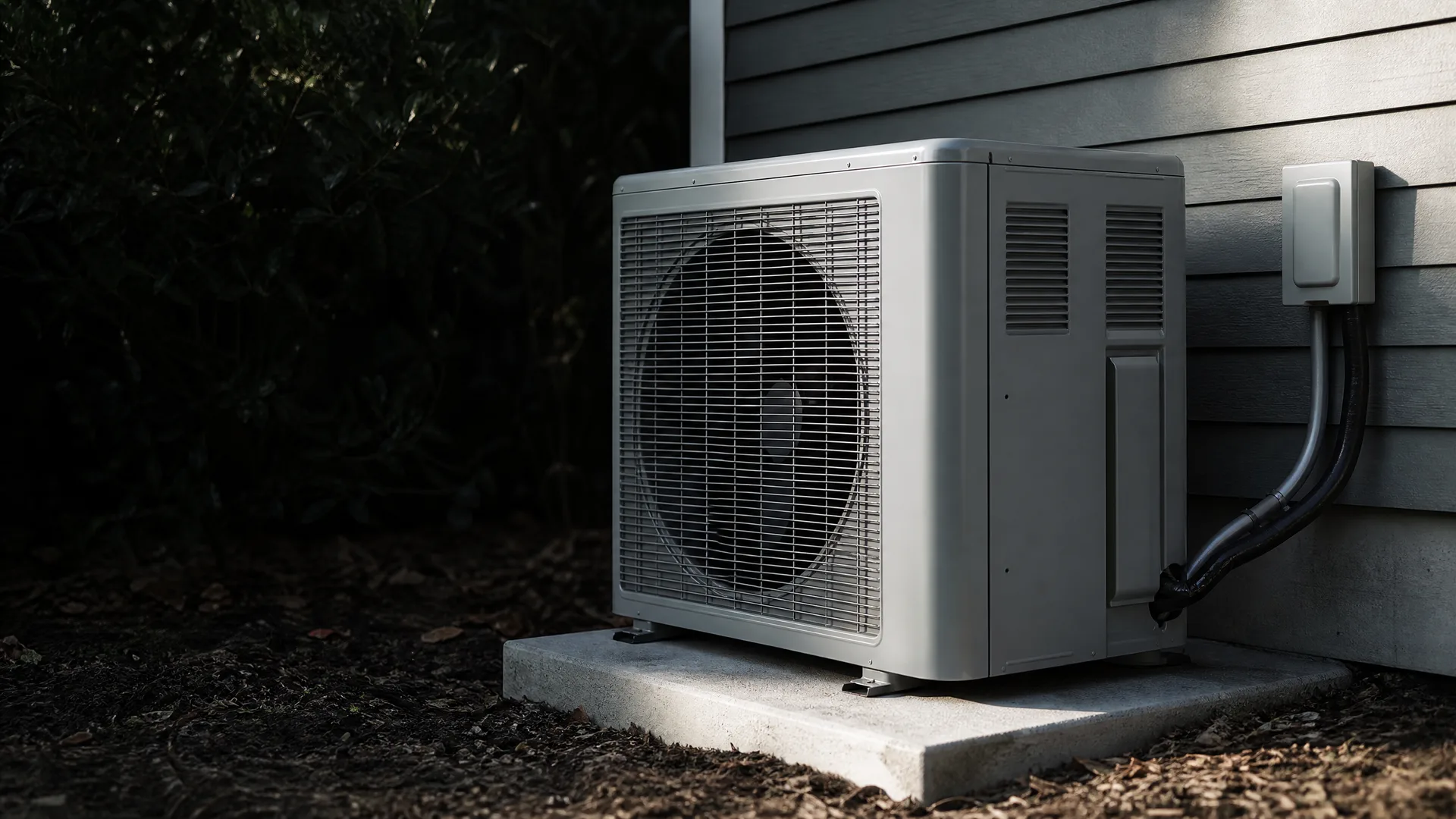
Dust caked across the coil face and years of weather on the cabinet make the unit pull harder to move the same air. It'll cycle longer and louder, and a banging or grinding sound on top of that usually means a part inside is wearing out, not just dirty.


On a cold South Carolina morning your heat pump may cycle into defrost several times. Each switch brings a click or hiss. That alone isn't a fault.
Banging, grinding, or a buzz that lingers past the defrost cycle points to a part working harder than it should. A local tech who services this equipment every winter can tell you which one.
At 15.12 cents per kilowatt-hour, every defrost cycle your heat pump runs through on a cold morning adds a little to your bill. If a noisy unit is also working harder because of a worn part, that cost shows up at that same rate all winter.
EIA-861 2025 statewide residential average
Your heat pump runs on a cycle most homeowners never see explained. The reversing valve is the part doing the most talking. It has a slide inside that moves back and forth to switch the system between heating and cooling, and that's the valve put into defrost mode to clear frost off the outdoor coil. The sound you hear is metal shifting against metal inside the valve body. It's not graceful, and it's not supposed to be quiet. What triggers that shift isn't a clock. A sensor on the outdoor coil reads the temperature, and once it hits a set point, the system switches over on its own. That's why defrost doesn't run on a tidy schedule some mornings it's every half hour, other mornings longer. Once defrost starts, the outdoor fan shuts off completely while the system briefly runs in cooling mode to melt the frost. A separate sound, a sharper snap, comes from the contactor pulling in to start the compressor, and that's unrelated to the valve. If ice builds up on the coil before the cycle kicks in, the fan blades can drag or tick against the frost until defrost clears it out. All of that is the system doing its job. A bent blade or a worn motor bearing sounds different. That noise doesn't come and go with defrost. It's steady, and it's there whether the system just switched over or not, which is the real way to tell the two apart.



South Carolina summers aren't just hot, they're heavy. Weather Service data puts the average summer dew point at 69°F, which is the kind of air that sits on your skin and doesn't let go. Your heat pump runs its compressor hard through months of that, pulling moisture as much as heat out of the air. Come winter, that same compressor and the valves around it have logged a long, humid summer before they ever face a frosty morning. A part that's been working that hard for that long is more likely to groan, click louder, or buzz than one that's had an easy season.
NASA POWER T2MDEW county cells weighted by homes
A click or hiss when your heat pump shifts into defrost on a cold morning is just the reversing valve and fan doing their job. A grind, a bang, or a buzz that wasn't there before is the system telling you a part is wearing out or air isn't moving through it the way it should. That's the difference worth knowing. If what you're hearing falls into the second group, you want someone who works on these units all winter and knows which part behind that sound usually gives out first, not someone guessing at it over the phone. A local, licensed contractor can get out to your place, listen to the unit run, and tell you straight whether it's the reversing valve, the fan, or something further along. You'll be working with one contractor on this, not fielding calls from several companies trying to win the job. Once you know what's making the noise, you'll know where you stand with your system for the rest of the winter.
Skip the calls to every shop