Tell us about the job
Takes about a minute. No obligation.
A heat pump working a Charleston County winter pushes its refrigerant circuit hard every time outdoor temperatures drop and the unit has to pull heat from cold air. Homes in Charleston County, SC run heat about five months a year, from November through March. The defrost board, the reversing valve, and the outdoor coil accumulate wear through that stretch in ways a compressor sitting idle through a mild season never would. A contractor called out for a repair here checks the refrigerant charge and the reversing valve function early, because those are the parts the heating load actually stresses, and a misdiagnosis on either one sends the repair in the wrong direction.
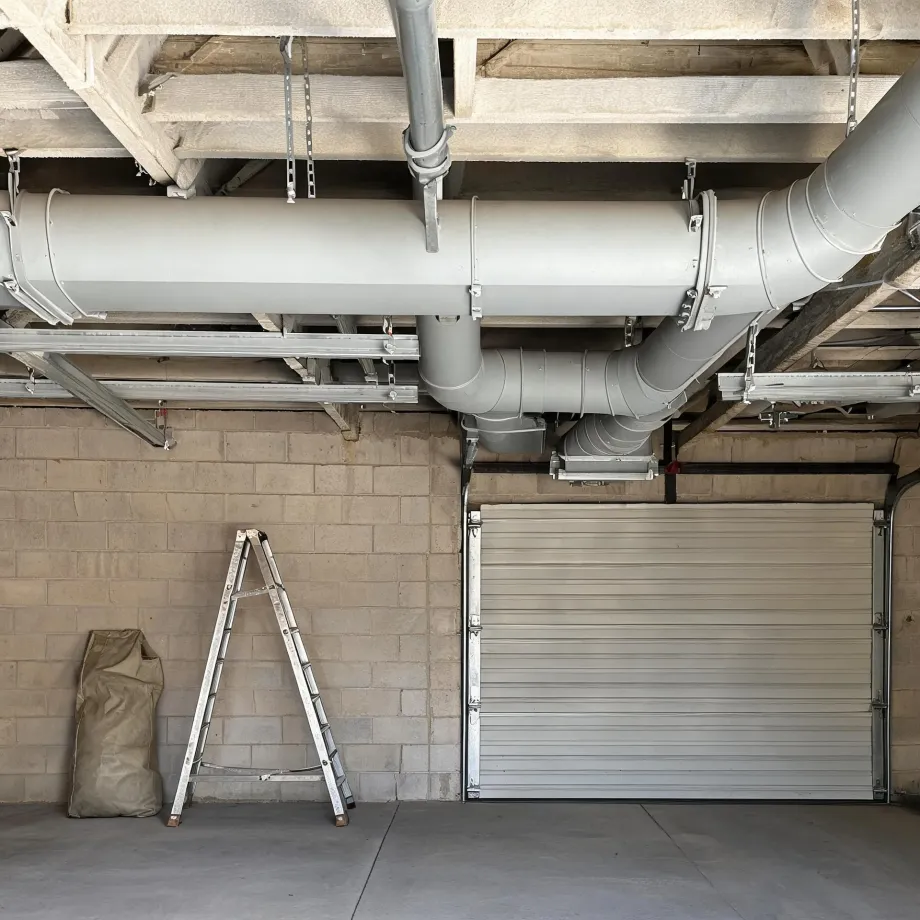
Wiring that has been adapted through more than one equipment cycle, and line sets that have been re-used rather than replaced, show up as soon as a technician opens the unit. Half the homes in Charleston County, South Carolina were built in 1991 or earlier (2020-2024 ACS 5-year). For stock that age, the condition of the electrical connections and the refrigerant circuit is rarely what the outside of the equipment suggests. A corroded contactor or degraded capacitor is a straightforward find; a splice that has oxidized somewhere behind the air handler takes longer, and that difference is what moves the repair bill.
The Parts of a Heat Pump a Contractor Checks First
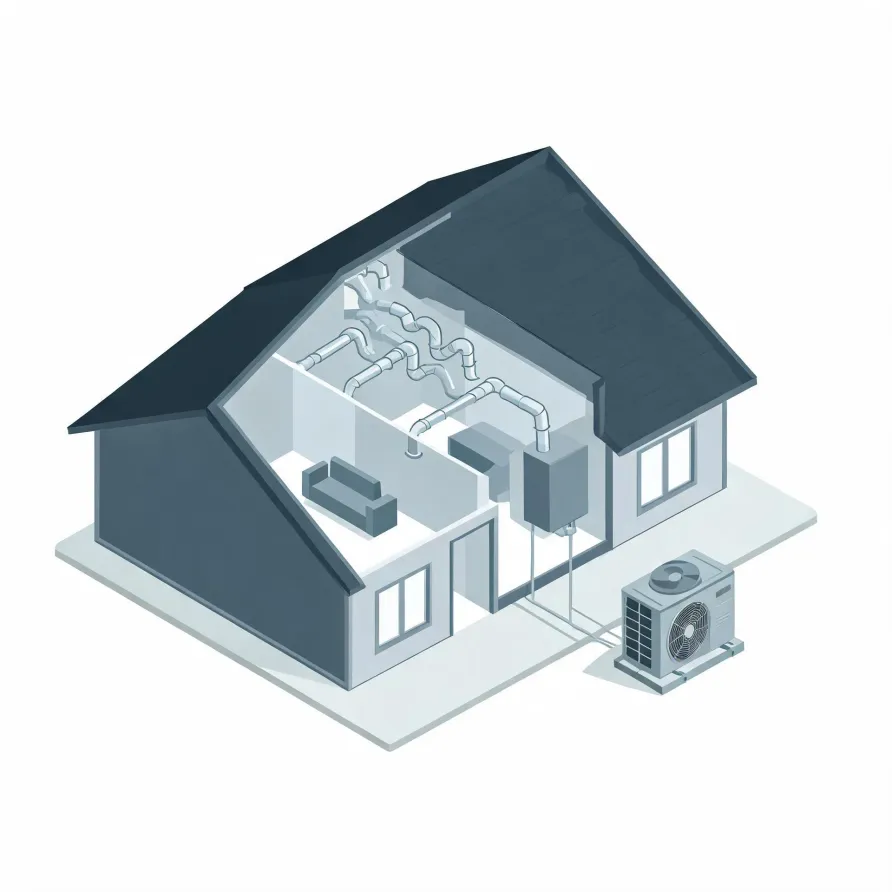
The outdoor unit sits outside the house and holds the compressor and condenser coil. These are where most faults show up. A failed compressor, a refrigerant leak at the coil, or a seized fan motor in that cabinet will each stop the system in a different way, and a contractor reads those symptoms to know which part to pull.
Inside, the air handler holds the evaporator coil and the blower that moves conditioned air through the house. A faulty reversing valve, which also sits in the outdoor unit, is a common repair target on heat pumps specifically, since it is what lets the system shift between heating and cooling. The thermostat and refrigerant lines connecting the two cabinets round out what a contractor works through.
The drawing shows a typical layout, and a licensed contractor determines what applies to the specific equipment and configuration in your home.
Get matched in Charleston CountyCharleston County, by the numbers
436 severe weather events were recorded in Charleston County, South Carolina between 2015 and 2024.
NOAA National Centers for Environmental Information, Storm Events Database, bulk CSV export, events 2015-01-01 through 2024-12-31.Half the homes in Charleston County, South Carolina were built in 1991 or earlier (2020-2024 ACS 5-year).
U.S. Census Bureau, 2020-2024 American Community Survey 5-Year EstimatesCharleston County, South Carolina holds 209,803 housing units (2020-2024 ACS 5-year).
U.S. Census Bureau, 2020-2024 American Community Survey 5-Year EstimatesOwners occupy 63.9% of the occupied homes in Charleston County, South Carolina (2020-2024 ACS 5-year).
U.S. Census Bureau, 2020-2024 American Community Survey 5-Year EstimatesCodes & Standards Governing Heat Pump Repair in Charleston County, South Carolina1 sourced rules and standards
Licensing Rules for HVAC Repair in Charleston County, South Carolina
South Carolina requires a mechanical contractor license for contracting work whose total cost of construction is greater than ten thousand dollars.
Severe Weather Events in Charleston County
Weather puts direct stress on heat pump systems, and that stress accumulates over time. How hard the local climate runs equipment shapes how often repair needs surface, which makes Charleston County weather a real factor in the service conversation.
436 severe weather events, 2015–2024. Source: NOAA National Centers for Environmental Information, Storm Events Database.