Tell us about the job
Takes about a minute. No obligation.
A heat pump here runs in both directions across the calendar, and the heating side is where the harder work happens. Homes in Orangeburg County, SC run heat about five months a year, from November through March. Through those months the compressor cycles against falling outdoor temperatures, which is when a heat pump has to work hardest to pull useful heat from cold air. Wear on the reversing valve, the defrost controls, and the refrigerant circuit builds from both halves of the year. A contractor diagnosing a failed component checks which mode the system was running when it failed, because that narrows whether the fault sits in the heating controls or the cooling circuit.
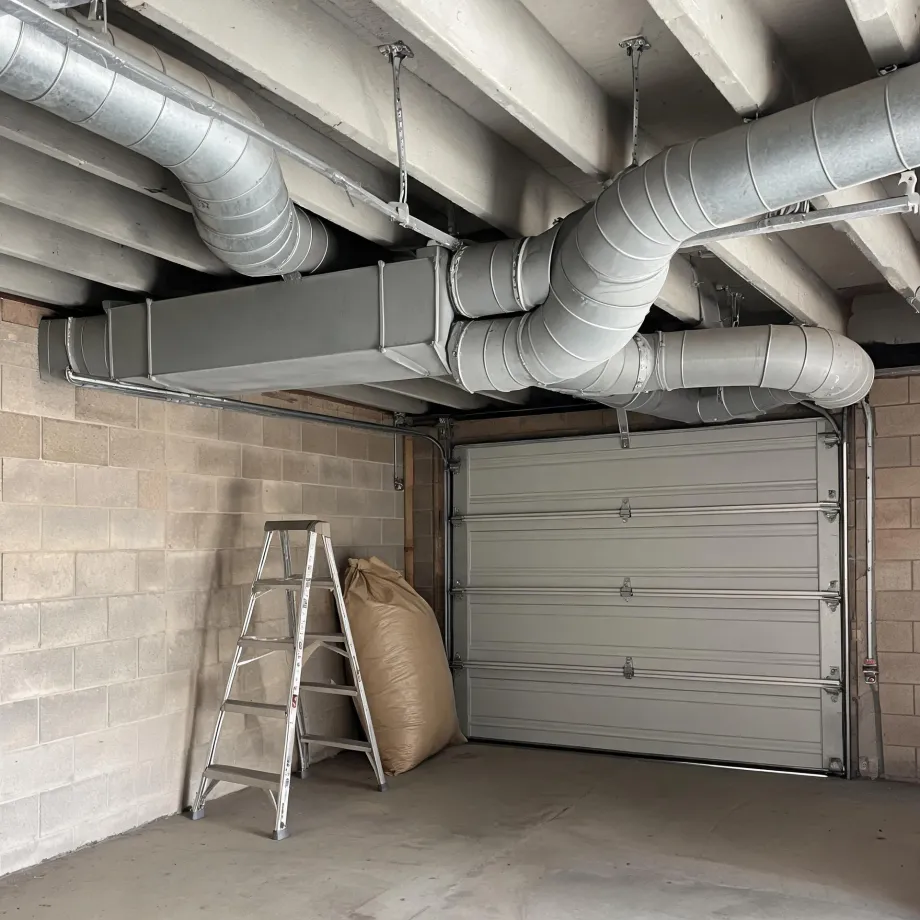
Ductwork sealed for a refrigerant that stopped shipping decades ago, coils paired with control boards that have since been redesigned, and refrigerant line sets that predate the current charge specifications: these are what a contractor opens the cabinet to find in a typical Orangeburg County house. Half the homes in Orangeburg County, South Carolina were built in 1983 or earlier (2020-2024 ACS 5-year). That gap between the house and the equipment inside it is where repair scopes expand unexpectedly, because the failed part a technician pulls out may have no direct replacement still in production, and the nearest substitute requires checking what else in the system has to change with it. A homeowner budgeting for a straightforward repair should expect the quote to follow what is actually inside the unit.
The Parts of a Heat Pump a Contractor Checks First
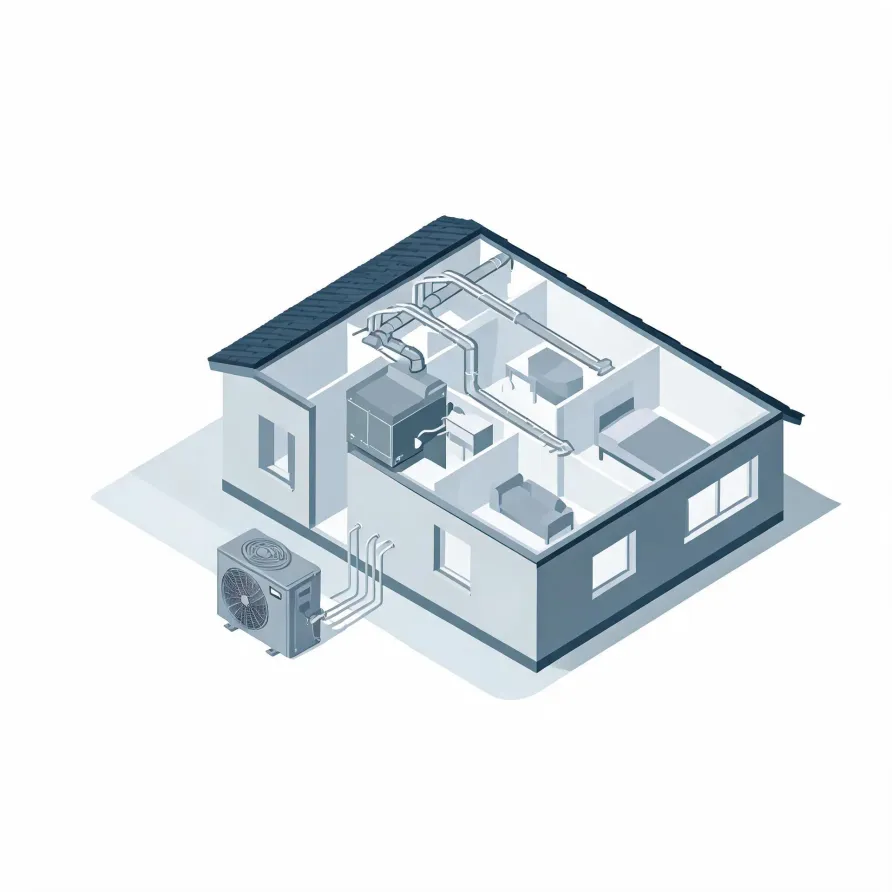
The outdoor unit sits on a pad beside the house and holds the compressor and the outdoor coil. The compressor is the heart of the system, and when it starts to fail, the heat pump loses the ability to move heat at all. The outdoor coil picks up or releases heat depending on the season, and a damaged or dirty coil shows up as poor performance in either mode.
Inside the house, the air handler holds the indoor coil and the blower. The indoor coil is where the air in your home gives up or gains heat, and a refrigerant leak often shows itself first here. The expansion valve and the refrigerant lines run between the two units, and a contractor will check both for pressure loss, blockage, or wear at the fittings.
The drawing shows a typical layout, and a licensed contractor determines which components apply to your specific house and system.
Get matched in Orangeburg CountyOrangeburg County, by the numbers
241 severe weather events were recorded in Orangeburg County, South Carolina between 2015 and 2024.
NOAA National Centers for Environmental Information, Storm Events Database, bulk CSV export, events 2015-01-01 through 2024-12-31.Half the homes in Orangeburg County, South Carolina were built in 1983 or earlier (2020-2024 ACS 5-year).
U.S. Census Bureau, 2020-2024 American Community Survey 5-Year EstimatesOrangeburg County, South Carolina holds 41,527 housing units (2020-2024 ACS 5-year).
U.S. Census Bureau, 2020-2024 American Community Survey 5-Year EstimatesOwners occupy 67.0% of the occupied homes in Orangeburg County, South Carolina (2020-2024 ACS 5-year).
U.S. Census Bureau, 2020-2024 American Community Survey 5-Year EstimatesRules & Standards Governing Heat Pump Repair in Orangeburg County, South Carolina1 sourced rules and standards
Licensing Rules for Contractors in Orangeburg County, South Carolina
South Carolina requires a mechanical contractor license for contracting work whose total cost of construction is greater than ten thousand dollars.
Severe Weather Events in Orangeburg County
Storm activity puts stress on heat pump systems: temperature swings, power fluctuations, and prolonged run times all add up over time. How often that happens in Orangeburg County shapes how hard local equipment works and what repair needs tend to look like.
241 severe weather events, 2015–2024. Source: NOAA National Centers for Environmental Information, Storm Events Database.